Monday, September 27, 2021
How to Improve the Security of Business In UK
iSecurity Solutions can help to secure your business, monitor access to the premises and improve physical security measure. Using state-of-the-art security access control systems, we will ensure that visitors and employees have access to the correct areas of your premises while you can track their location for accountability and emergency purposes.
Tuesday, July 13, 2021
What Are the Four Objectives of Access Control?
Access control systems are broadly classified into three types. There are physical access control system, soft access control systems and hybrid systems. The primary objectives of an access control system are identification, authentication, authorization, and integrity.
Let us look at these objectives in detail.
Identification
One of the main objectives of access control
systems is the identification and management of individuals granted access with
credentials.
The credential may be a smart card, a magnetic
card, radio-frequency identification badge or biometrics. Some systems also
allow for password-only authentication.
Where access to a particular resource is
determined based on time, it is called time-based access control (TBAC).
Given that access control credentials are
often abused by imposters to gain entry to restricted areas, identification
helps to prevent any unwelcome guests from entering prohibited areas.
Authentication
Authentication is the process used to verify
that someone who is claiming to have a certain position, identity, or right is
the one claiming it.
One of the most important aspects of an access
control system is its authentication features. Authentication is the process of
identifying an individual or object based on their unique set of
characteristics, which is referred to as their ‘identity.
Access control systems use a variety of
methods to ensure credentials are not stolen or used to gain entry.
A credential may be as basic as a username and
password to a smartcard, fob or biometric identification. But as with any new
technology, it is important to check into reliability and quality of service.
Access Control Systems are often controlled by
computers running custom software that can track the activity of each
credential and allow access at peak times using time-of-day based security
controls.
A good example of authentication in practice
would be Two-factor authentication (also known as 2FA).
It is a combination of two different
components, such as a password, token, etc., and something only the user
possesses, like a USB Security Key, his/her fingerprint or an authenticator
application.
The advantage of using two-factor
authentication is that it is extremely difficult for criminals to hack into
accounts.
Authorization
Access control systems are used to control and
monitor access to physical areas. Access is controlled by issuing authorized
identification cards or keys. The process of issuing identification cards and
granting access is called authorization.
Access control can be achieved by physical
barriers, such as locked doors or gates or by software-based security systems
that control the flow of traffic. All of this is done through computer-based
rules, badges, or cards and by people who make decisions about whether someone
should gain access to a particular area or not.
Integrity
One of the objectives of access control
systems includes ensuring integrity and accountability in the physical
environment. It is best achieved through a combination of physical, logical and
procedural controls, for example, user identification and proper maintenance.
Integrity is about making sure that every
transaction is authorized. Accountability means ensuring that the person who
carried out the transaction can be identified and be held liable for any
consequences.
Bottom Line
Access control systems work by identifying a
person attempting to enter and making a decision whether to let that person in
or not. The next phase is to let the personnel know in case someone has
breached the security boundary.
Once you know these objectives, you can better
understand what access control systems can do and can figure out how to use
them at your business premises.
Monday, February 22, 2021
How Limitations And Errors Affect The Efficiency Of Biometric Devices?

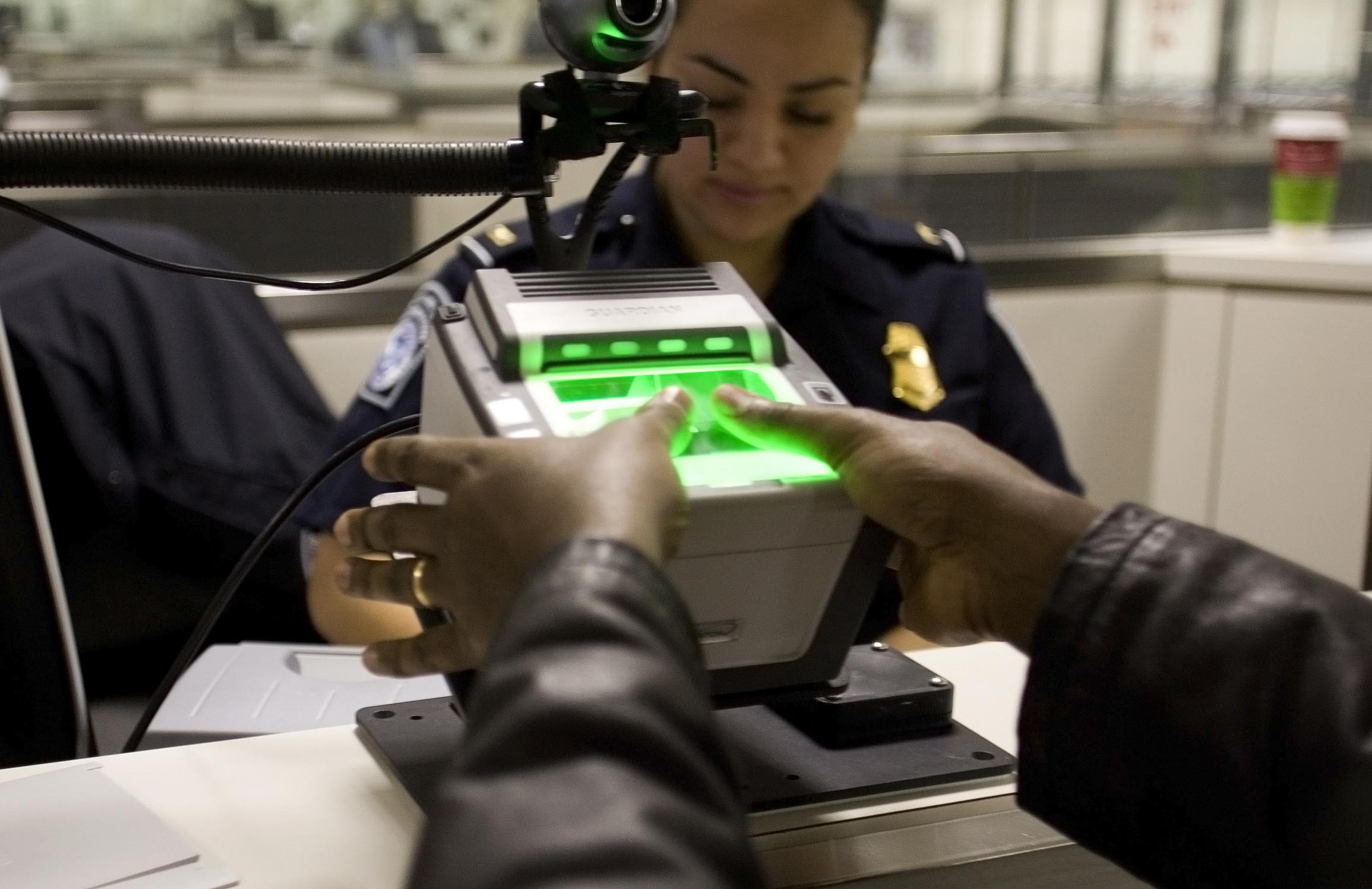
Today, biometric authentication and verification on devices have become an intrinsic part of modern-day technology. It has embedded itself so deeply in our daily lives that most of us don’t even realize it while using it. From instantly unlocking your phone with a single tap of your thumb to getting whisked through the long queues at the airport, it has become an essential part of our daily operations. While this hefty advancement has made our lives significantly easier, especially for people who are habitual of losing their passwords, the question still remains; how secure is biometric verification on your devices?
We have gathered a list of limitations and errors of biometrics on access control Manchester to see whether it is a suitable measure to safeguard your privacy and keep your data secure.
Data Breaches
Statistically speaking, all data can get hijacked. While technological breakthroughs occur every single day, there are certain loopholes in technology that can’t be nullified. A seasoned hacker can get through the tightest security systems if they possess the right skills. With biometric technology becoming a common feature on most devices, there are high chances that your data will likely be available in more places.
Careless usage
People have become accustomed to using biometrics so much that they have completely ignored the risks of it. While you can change your password, you cannot change your fingerprint or iris scan. If not used with caution, your biometrics can easily be stolen. That means that if your biometric data is compromised, it gives the thief a gateway into all of your valuable information.
Threat of Duplication
Biometric systems sound extremely safe in theory. However, the reality cannot be farther from that. Your fingerprints can easily be copied or replicated by a clever hacker. There have been incidences where highly skilled hackers have obtained biometric data from high-definition photographs and common objects with the victim’s fingerprints on them.
False Positives, Bias, and Inaccuracy
Commonly used biometric verification methods depend upon partial information to verify a person’s identity. For instance, you have to provide your entire fingerprint while registering your biometrics into your smartphone. However, once enrolled, the biometric system of your phone only requires parts of the original fingerprint to unlock your phone quickly. Research shows that this system is extremely unreliable as there is a 20% chance of someone with a similar fingerprint successfully unlocking your phone.
Data Collection and Tracking
With the world turning to biometric authentication, the users run the risk of being tracked and having their data used for ulterior purposes by the government. Since biometrics are converted into data for storage, there is a high chance that the user might be leaving permanent digital records. This puts forth a risk of surveillance and being permanently tagged by particular organizations.
The final verdict
While there are many limitations and errors that biometrics pose on access control, one cannot completely disassociate from this system. For this purpose, we recommend utmost caution while operating your devices and keeping a close eye on the activities performed on your device. This can keep you protected from most of the risks mentioned above.